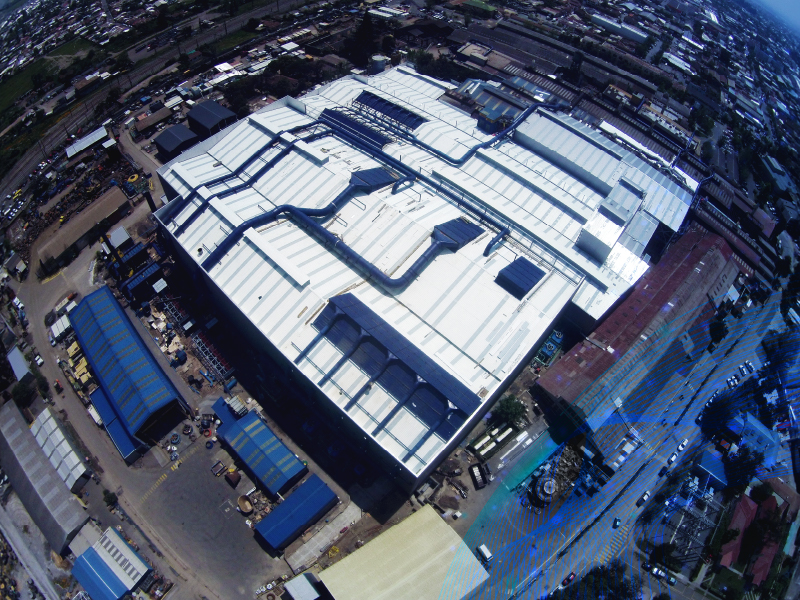
Advancing towards a more sustainable business model was the goal set by ME Elecmetal when joining the group of companies from various productive industries in Chile, under the Clean Production Agreement (APL) “Transition towards the Circular Economy,” supported by the Production Development Corporation (Corfo), through the Sustainability and Climate Change Agency (ASCC) and the Undersecretariats of Health and Environment of Chile, plus Acción Empresas.
The participation in this APL aims to measure and increase the degree of circularity of production processes. In this context, across all participating companies, $12.359 million was invested in improvements to their own facilities, generating short-term monetary savings through greater efficiencies in inputs and outputs. These benefits are expected to continue growing in the future, driven by the reduction in consumption and waste generation, the expansion of renewable energy, water reuse and internal reuse, and external material recovery.
Thanks to this investment, it was possible to reduce – among other resources – water consumption by more than 295 thousand cubic meters and recover 15 thousand cubic meters. Likewise, the emission of 30,669 equivalent tons of CO₂ was avoided. All this as a result of the increased certified use of renewable energies along with the optimization of production cycles.
Click to enlarge
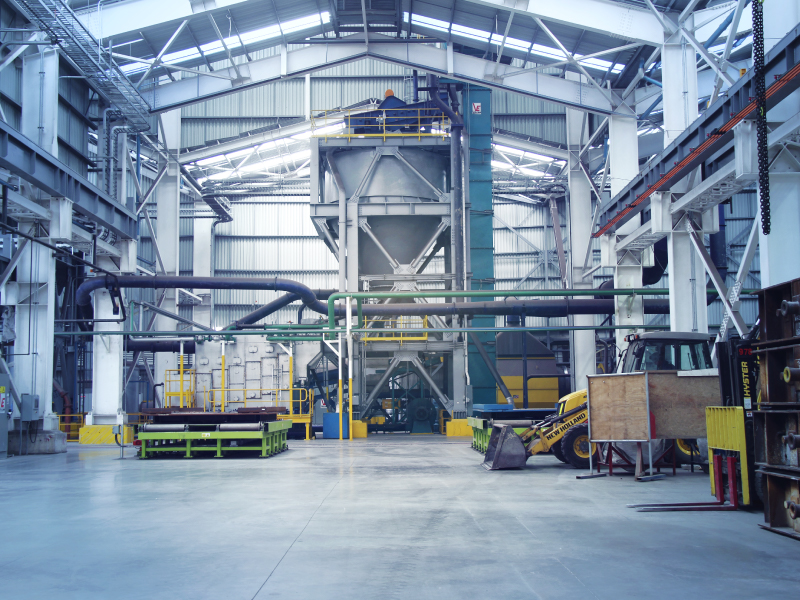
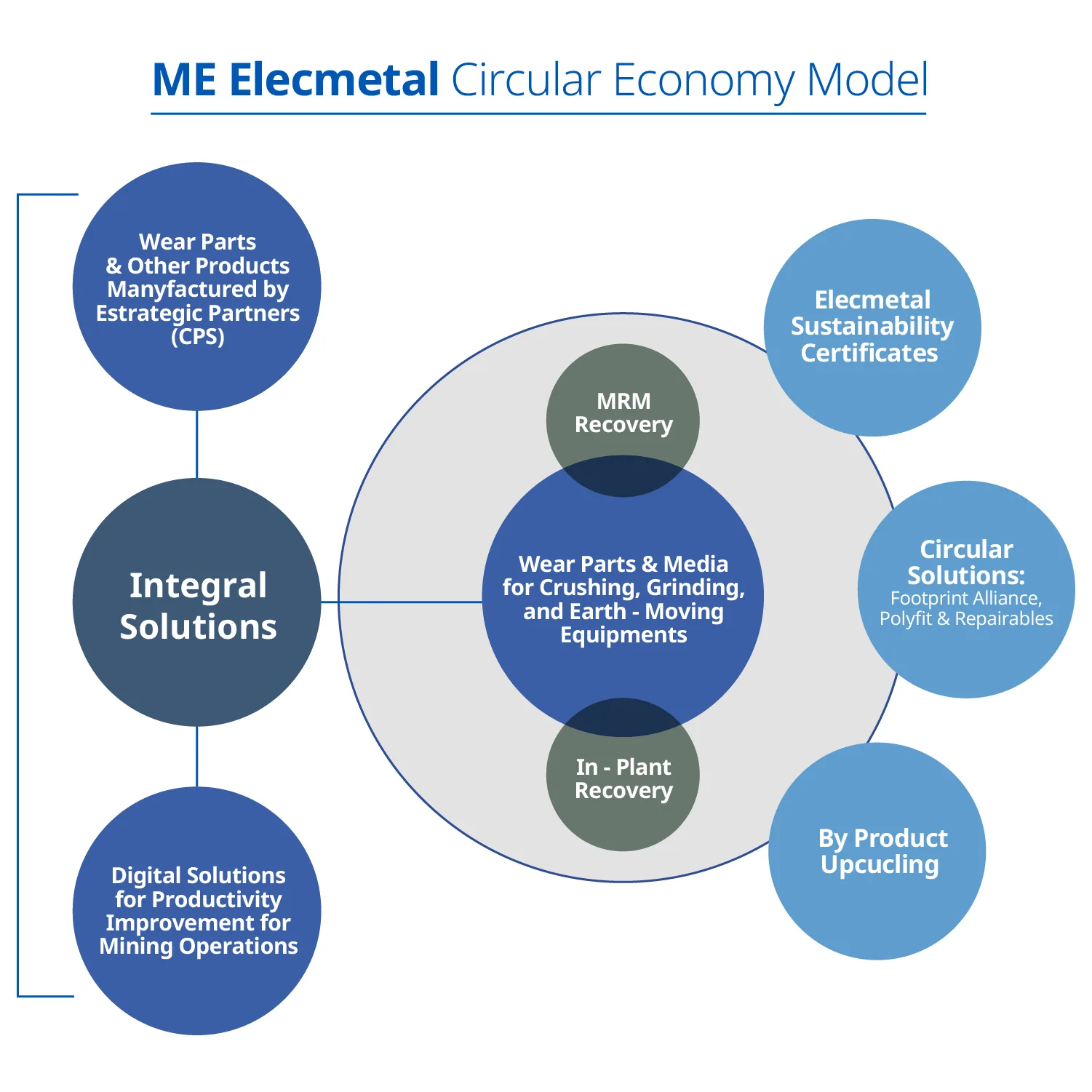
Since ME Elecmetal’s business model is circular, in fiscal year 2024 a flow (see chart) and a Circularity Map were generated for ME foundries globally. The objective of joining and achieving APL certification in Chile is to increase the operational efficiency of the Rancagua Plant, based on a known methodology: CTI (Circular Transition Indicators) from the World Business Council for Sustainable Development (WBCSD), reducing the amount of waste generated and reaching a net circularity indicator baseline: 83% (2024):
The APL included establishing a Circularity Baseline through an international methodology developed by the Ellen MacArthur Foundation, implemented through the WBCSD and its chapter in Chile, Acción Empresas. Circular economy training was also provided for more than 300 people in 16 courses, along with the implementation of concrete actions, such as increasing reintegration into production and recovering fewer wastes that were previously sent to landfills.
Additionally, the Circular Transition Indicators 2.0 (CTI) Guide was made available, enabling ME Elecmetal South America, at its Rancagua Plant, to establish its circularity baseline. Professionals were enabled to work under the Practical Guide for Selecting Circular Suppliers, a tool that provides guidelines and recommendations, facilitating data collection to assess the level of alignment with circularity principles throughout the value chain.
The APL responds to the identification and characterization of all process by-products, classified by volume. Subsequently, short-, medium-, and long-term work plans were developed for their reduction and proper management. This process was audited and monitored from data collection on waste generation to verification of its status and subsequent measurement of results, also including the implementation of improvement plans.
Currently, 77% of the waste from the Rancagua Plant is valorized and this means the Plant’s net circularity indicator will be above the 83% baseline.
The projects under development in this APL are the following:
- Ferrous slag recycling: Separation, processing, and classification of ferrous slags to transform them into a valuable substitute aggregate, progressively reducing their disposal in authorized landfills.
| 2024 | 2025 (to March) | GOAL | |
| Recycling percentage | 43% | 92% | 100% |
- Increase in discarded sand recycling: The recirculation of discarded sands from various foundry processes has increased, allowing the external recycling of 33,047 tons, destined for the aggregate sector during 2024 and 2025.
| 2024 | 2025 (to March) | Goal | |
| Recycled tons | 30,551 | 2,496 | 100% |
- Zirconium sand recovery: Progress has been made in the recirculation of this type of sand, recovering 76.9 tons through a mechanical process. This material is used in the maintenance of electric arc furnace floors.
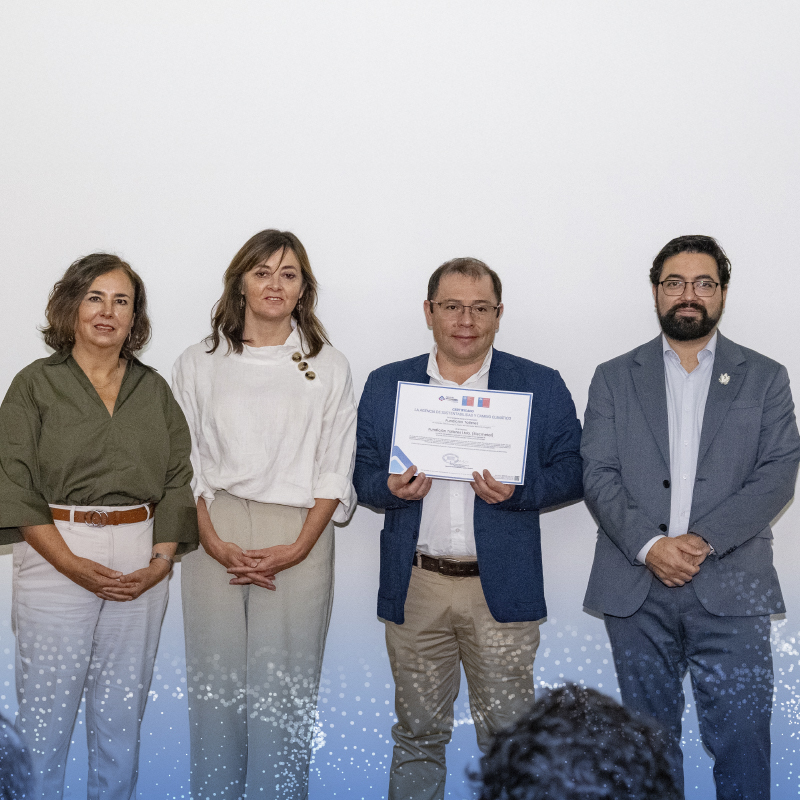
“This is a very important recognition from the ASCC of Corfo, as it officially certifies the progress we have made in circularity at Rancagua, and allows us to formalize all the work we have developed. The most relevant aspect is that we trained in an international methodology, based on global standards”
ME Elecmetal collaborated with a distinguished group of companies from various sectors that joined the APL, among which stand out:
The companies that participated in this meeting were: Aceros AZA, Aguas Antofagasta, Banco Santander Chile, Cemento Polpaico, Compañías CIC, Chilexpress, Metro, Gasco GLP, Cartulinas CMPC, Envases impresos Cordillera, Faenadora San Vicente Agrosuper, Joy Global Chile, Komatsu, Distribuidora Cummins Chile, Rosen, Colbún, Virutex Ilko, Mamut, Volta Servicios, SMU, Masisa, Cemento Polpaico, SQM and Terminal Pacífico Sur Valparaíso.